
How Often to Pump a Septic Tank in Chattanooga
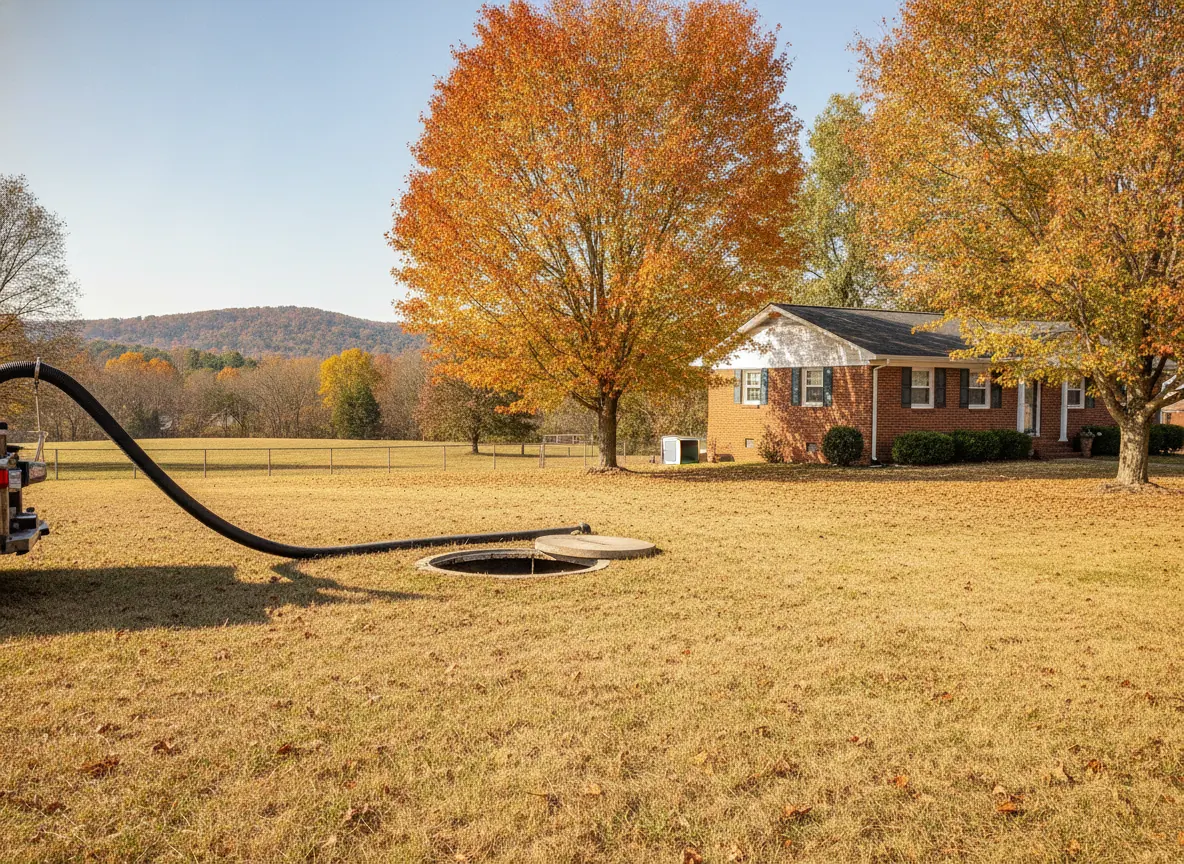
Most Chattanooga-area households should plan to pump the septic tank every three to five years. That is the interval the EPA gives for household tanks, along with an inspection at least every three years. Tennessee itself sets no pumping schedule. Where your home falls in that range depends on the size of the tank, what the last pump-out found and, in Hamilton County, when you book, because the ground is wettest from December through March.
Septic Pumping Chattanooga is a free quote service. We connect Chattanooga-area homeowners with independent local septic pumping, inspection and repair companies for free, no-obligation quotes. Those companies do the work; we help you compare them.
What Tennessee law says about septic pumping intervals
No TDEC rule tells you how often to pump. Rule 0400-48-01-.13(1) says only this: “It is the property owner’s responsibility to maintain the system in a safe and sanitary manner.” Paragraph (2) explains what happens when maintenance slips: should the system malfunction, the Commissioner “shall issue, in writing, a maximum thirty (30) day notice to the owner requiring repair, replacement or improvement of the system.”
In Hamilton County that program belongs to the county’s Division of Groundwater Protection (423-209-7876), which lists “complaints of malfunctioning septic systems” among its services. So the schedule is yours to set, and the EPA’s three-to-five-year range is the benchmark most pumping companies work from. This is general information, not legal advice.
Your tank size sets the starting point
Tennessee sizes septic tanks by bedrooms. Rule .08(1) sets 750 gallons for two or fewer bedrooms, 900 for three, 1,000 for four, and 250 gallons more for each additional bedroom. A two-bedroom cottage and a four-bedroom house can both be “normal” while holding very different volumes, and a full household on the smallest tank sits at the short end of the EPA range.
If you don’t know your size, the permit drawing on file at Groundwater Protection shows what was approved. The bedroom count on that permit is what the system was designed for, which matters if a bedroom has been added since. Tank size also drives the price. Typical national ranges are $175–$300 for 750 gallons, $225–$400 for 1,000, $300–$600 for 1,250 and $345–$600 for 1,500 (Fixr 2025; estimates, not quotes). The septic pumping cost guide breaks those down.
How often to pump by neighborhood age around Hamilton County
The age of a house is a rough clue to where its septic system stands. In the Ooltewah ZIP code (37363), the median home was built in 2003 and 57.1% of homes date from 2000 or later. In Collegedale the median is 2005, and the Apison ZIP code sits around 2000 (ACS 2024 5-year). Many of those systems have reached the point where a first or second pump-out is due, and an owner who bought from the builder or a later seller may have no record of one. If that is you, the Ooltewah septic pumping page covers the area.
The north and east ends of the county are older. In the Harrison CDP, 61.4% of homes were built between 1970 and 1999; in Middle Valley the share is 49.0% and in Soddy-Daisy 43.2%. Tanks there can be 25 to 55 years old, often concrete with lids under a foot or more of lawn. A pump-out on those systems is the natural time to have baffles and lids looked at; see the Harrison and Soddy-Daisy pages.
One caution: the Census does not record whether a home is on sewer or septic, so age alone doesn’t tell you. WWTA’s sewer-availability line, (423) 209-7842, can confirm for unincorporated addresses.
Best time of year to schedule septic pumping in Chattanooga
Rain, not cold, sets the local calendar. NOAA’s 1991–2020 normals for Lovell Field show December through March bringing about 20.6 inches, with March the wettest month at 5.34 inches. October (3.59 inches, fewest rainy days) and August (3.67 inches) are the driest. Late summer into fall is the dry-ground window: a buried lid is easier to dig out, the yard holds up better, and a drain field is easier to judge when it isn’t soaked from the season.
Pumping goes on year-round, and if your tank is due, there is no reason to wait. If it’s close, booking before winter beats booking in February. After a big storm like August 12, 2025, when 6.42 inches fell at the airport in a day, slow drains may come from saturated ground rather than a full tank. The heavy rain and septic backups guide explains the difference.
What each pump-out should tell you about the next one
The best guide to your own interval is the record from the last visit. Ask the company to write down the liquid level before pumping, the sludge and scum depths, the condition of the baffles and filter, and the gallons removed. Tennessee already requires pumpers to keep a monthly log of every pumping, including the address and gallons (Rule .20(4)), so the information exists; ask for your copy.
A few checks before you book:
- Pumping companies need a TDEC Septic Tank Pumping Contractor permit (Rule 0400-48-01-.20) plus a Hamilton County pumper license. The TDEC Installers & Pumpers DataViewer and the county’s 2026 List of Septic Installers and Pumpers are both public.
- Rule .20(5) requires the firm’s name, address and permit number on both sides of the truck in letters at least two inches high.
- If someone has to dig for the lid every time, a riser ($300–$600 installed, HomeAdvisor 2026) ends that charge. See septic tank risers and lids.
If the tank comes back heavy with sludge after three years, shorten the gap. If it’s light after four, you have room. Pairing a pump-out with a septic inspection every few visits keeps that record useful.
Frequently asked questions
How often should a septic tank be pumped in Tennessee?
Tennessee sets no pumping interval. TDEC Rule 0400-48-01-.13 only says maintaining the system is the property owner’s responsibility. The EPA says household tanks are typically pumped every three to five years and inspected at least every three years. A small tank serving a full house sits at the short end of that range; the sludge and scum depths recorded at each pump-out are the best guide to your own schedule.
How do I find out what size septic tank I have?
Tennessee sizes tanks by bedrooms under Rule .08: 750 gallons for two or fewer, 900 for three, 1,000 for four, and 250 more for each extra bedroom. The permit drawing on file with Hamilton County Groundwater Protection (423-209-7876) shows what was approved for your house. The company that pumps the tank can also record the gallons removed, which confirms the size for next time.
What is the best time of year to pump a septic tank in Chattanooga?
Late summer and early fall. NOAA’s 1991–2020 normals for Lovell Field show October (3.59 inches) and August (3.67 inches) as the driest months, while December through March brings about 20.6 inches. Drier ground makes a buried lid easier to dig out and a drain field easier to judge. Pumping still happens year-round; if your tank is due, booking before winter avoids the wettest stretch.
Get free quotes for your next pump-out
If it has been three years or more, or you don’t know when the tank was last pumped, booking before the December–March wet season is a good way to get it on the calendar. Request free, no-obligation quotes and independent local companies serving Chattanooga and Hamilton County can price the pump-out for your tank size. See what a visit includes on the septic tank pumping page. We usually reply the same day, or you can call (877) 265-2390.