
Is Septic Pumping the Landlord’s Job in Chattanooga?
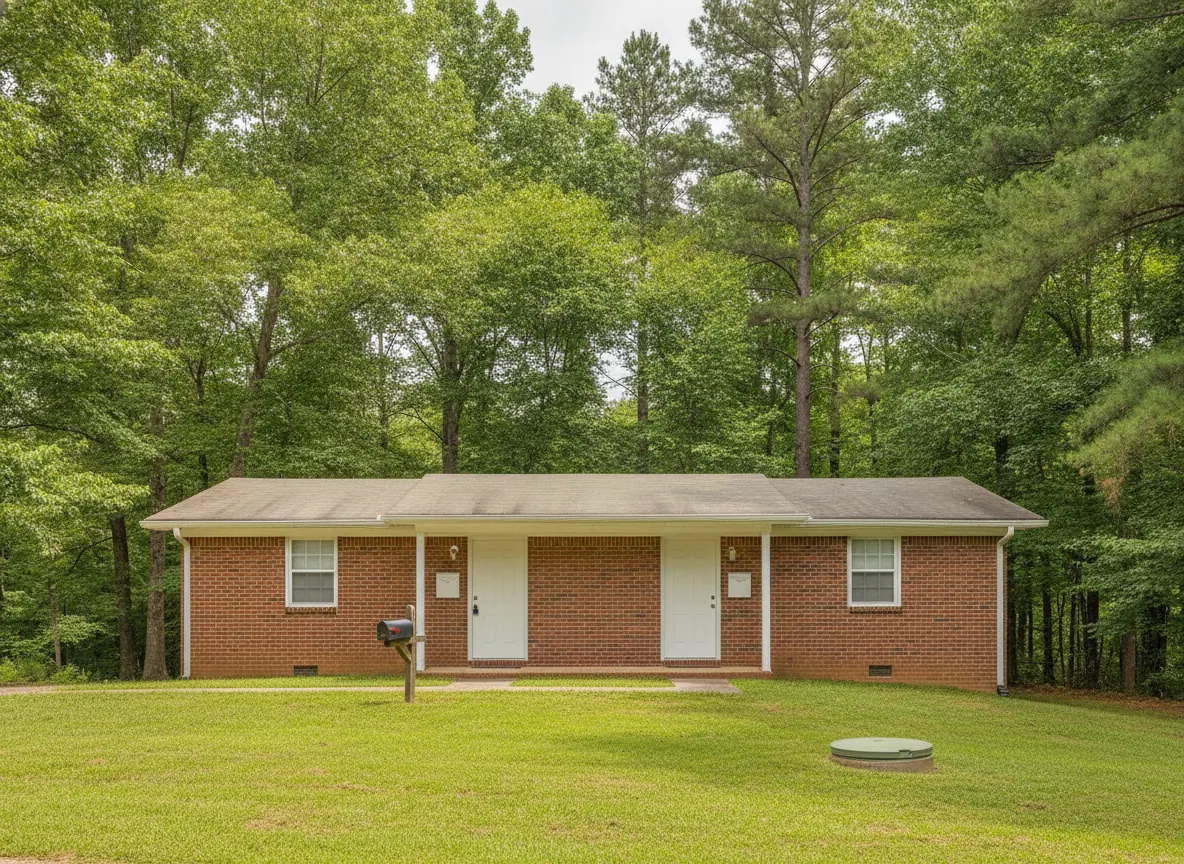
In Hamilton County, keeping a rental’s septic system working generally falls to the landlord. Tennessee’s septic rules put maintenance on the property owner, and the Uniform Residential Landlord and Tenant Act (URLTA), which applies in Hamilton County, requires landlords to keep a rental fit and habitable. Neither law mentions septic tanks by name, though, and a written lease can shift specific maintenance tasks to a tenant in good faith. This is general information, not legal advice; check the current statute or ask a tenant-rights attorney about your own lease.
Septic Pumping Chattanooga is a free quote service. We connect Chattanooga-area homeowners and landlords with independent local septic pumping, inspection and repair companies for free, no-obligation quotes.
Why the landlord question comes up so often around Chattanooga
A lot of local housing is rented. Renters occupy 47.6% of occupied homes in the City of Chattanooga, 56.0% in Collegedale and 52.0% in Cleveland (ACS 2024 5-year), with Southern Adventist and Lee University nearby. Many of those rentals are on city sewer, but plenty of houses and duplexes in the unsewered parts of the county are on septic. Tenants often don’t know the tank exists until a drain slows. Owners who live out of town may not know when it was last pumped.
What Tennessee’s septic rules say about the owner
TDEC Rule 0400-48-01-.13(1) is short: “It is the property owner’s responsibility to maintain the system in a safe and sanitary manner.” Paragraph (2) says that if the system malfunctions, the Commissioner “shall issue, in writing, a maximum thirty (30) day notice to the owner requiring repair, replacement or improvement of the system.” In Hamilton County, complaints about malfunctioning systems go to the county’s Division of Groundwater Protection (423-209-7876), not the Health Department.
The rule speaks to the owner, not the occupant. A notice about a failing system goes to the person who owns the property, whoever happens to be living there.
What the landlord-tenant law says in Hamilton County
URLTA doesn’t apply everywhere in Tennessee. TCA 66-28-102(a): “This chapter applies only in counties having a population of more than seventy-five thousand (75,000), according to the 2010 federal census.” Hamilton County is far above that line, and Bradley County (Cleveland) is listed as covered in a landlord association’s compilation. Marion, Sequatchie and Rhea counties are below it.
Where it applies, TCA 66-28-304(a) says the landlord shall “(1) Comply with requirements of applicable building and housing codes materially affecting health and safety; (2) Make all repairs and do whatever is necessary to put and keep the premises in a fit and habitable condition.” A working way to get wastewater away from the house is hard to separate from “fit and habitable,” but the statute never says “septic,” so how it applies to a given backup is a question for an attorney, not a blog post.
TCA 66-28-502(a)(1) covers what a tenant can do when a landlord “deliberately or negligently fails to supply essential services.” After giving written notice, the tenant may procure the service and deduct its “actual and reasonable costs from the rent,” recover damages based on reduced rental value, or obtain reasonable substitute housing. “Essential services” include utility services and “any other obligations imposed upon the landlord which materially affect the health and safety of the tenant” (502(a)(3)). The written-notice step matters on both sides.
What a lease can and can’t shift to a tenant
TCA 66-28-304(c) lets a landlord and tenant “agree in writing that the tenant perform specified repairs, maintenance tasks, alterations, and remodeling, but only if the transaction is entered into in good faith and not for the purpose of evading the obligations of the landlord.” A clause asking the tenant to keep grease and wipes out of the drains, or to report slow drains promptly, is ordinary. A clause pushing every septic cost onto a one-year tenant in a house with a decades-old system is the kind of thing the good-faith test was written for.
Two practical limits apply whatever the lease says. A tenant can’t pump the tank: Rule .20(1) requires anyone removing and disposing of domestic septage to hold an annual TDEC permit, so pumping is always hired out. And while Rule .19(1)(a) exempts an owner or tenant doing their own work on their own residence from the installer permit, it keeps the requirement for a construction or repair permit. In Hamilton County a repair permit costs $40. The DIY septic repair guide quotes that rule in full.
A simple septic plan for Chattanooga rentals
Most disputes start with nobody knowing who was supposed to call. A few written items help both sides:
- Who schedules the pump-out. The EPA says household tanks are typically pumped every three to five years. Turnover between tenants, when the house is quiet and the yard is open, is a convenient time. Typical national pricing runs $225–$400 for a 1,000-gallon tank (Fixr 2025; an estimate, not a quote); see septic tank pumping.
- Where the tank and lid are. The permit drawing at Groundwater Protection shows the approved layout. A riser ($300–$600 installed, HomeAdvisor 2026) means nobody has to dig for the lid.
- How a tenant reports a problem. Slow drains or gurgling should go to the landlord in writing, which is also the step URLTA builds its remedies around. For a backup, the emergency septic service page explains the options.
- Records. Pumpers must keep a monthly log of every pumping with the address and gallons (Rule .20(4)). Ask for a copy each time and keep it with the lease file. It also helps when you sell; see septic inspection.
Short-term rentals add one more step. Hamilton County lists a $205 septic inspection for short-term vacation rentals through Groundwater Protection. Ask the county what it covers before you list.
Frequently asked questions
Does a landlord have to pump the septic tank in Tennessee?
No Tennessee law names septic pumping. TDEC Rule 0400-48-01-.13 says maintaining a septic system is the property owner’s responsibility, and in counties covered by the landlord-tenant act, such as Hamilton, TCA 66-28-304 requires landlords to keep a rental fit and habitable. A lease can assign specific tasks to a tenant in good faith. Check the current statute or ask a tenant-rights attorney. This is general information, not legal advice.
Can a lease make the tenant pay for septic pumping?
TCA 66-28-304(c) lets a landlord and tenant agree in writing that the tenant performs specified repairs or maintenance, but only in good faith and not to evade the landlord’s obligations. Whether a pumping clause meets that test depends on the lease and the facts. Even then, the work itself has to be done by a company holding a TDEC pumper permit. This is general information, not legal advice.
Do short-term rentals in Hamilton County need a septic inspection?
Hamilton County Development Services lists a $205 septic inspection for short-term vacation rentals, handled by the Division of Groundwater Protection (423-209-7876). Ask the county what the inspection covers and when it is required before you list. A private pump-out and septic inspection by an independent company is a separate service with its own price.
Get quotes for a rental property
Whether you own one house in Collegedale or a few doors in Cleveland, a free, no-obligation quote request takes about a minute, and independent local companies can price a pump-out or septic inspection between tenants. We usually reply the same day, or you can call (877) 265-2390.